Dog care
How to Choose the Right Dog Food for Your Pet
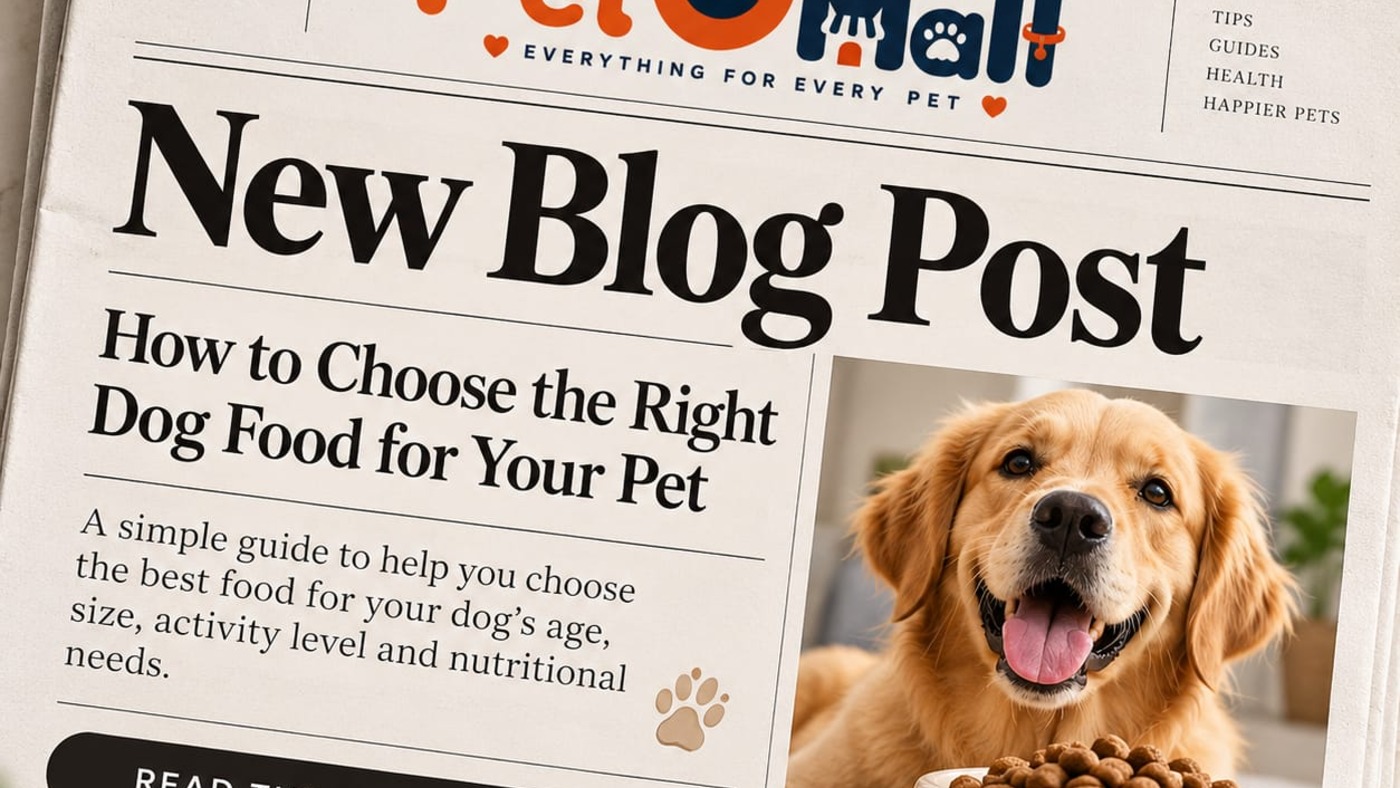
Choosing the right dog food is an important part of responsible pet parenting. Learn how to select food based on your dog’s age, size, activity level and individual nutritional needs.
Choosing the right food for your dog is one of the most important decisions you can make as a pet parent. With so many options available, from dry kibble and wet food to breed-specific and life-stage formulas, selecting the right one can sometimes feel confusing.
The best dog food should provide complete and balanced nutrition while being appropriate for your dog's age, size, lifestyle and individual needs.
- Consider Your Dog’s Age
Dogs have different nutritional requirements at different stages of life.
Puppies need nutrition that supports healthy growth and development. Adult dogs need a balanced diet that helps maintain their energy and body condition, while senior dogs may benefit from diets formulated for their changing nutritional needs.
Always choose food labelled for your dog's appropriate life stage.
- Consider Your Dog’s Size and Activity Level
A highly active dog may have different energy requirements from a dog that spends most of the day indoors.
Consider your dog's:
Size and breed
Daily activity
Age
Current weight
Body condition
Follow the feeding guidelines on the food packaging, but remember that individual requirements can vary.
- Read the Ingredient and Nutrition Information
Don't choose dog food based only on attractive packaging or marketing claims. Check the ingredient list and nutritional information.
Look for a food that provides appropriate sources of protein, fats, carbohydrates, vitamins and minerals for your dog's life stage.
If your dog has a food allergy, sensitivity or medical condition, speak with your veterinarian before changing their diet.
- Choose Food That Suits Your Dog
Not every food works equally well for every dog. Pay attention to how your pet responds after introducing a new diet.
Changes such as persistent digestive problems, itching or changes in body condition should be discussed with a veterinarian.
When changing food, a gradual transition can help your dog adjust to the new diet.
- Don't Forget Portion Control
Even nutritious food can contribute to weight gain when fed in excessive amounts. Measure portions rather than relying only on guesswork, and remember that treats also contribute to your dog's daily calorie intake.
Give Your Dog Nutrition With Care
Choosing dog food is not about finding the most expensive option—it's about finding a nutritionally appropriate food that suits your dog's individual needs.
When in doubt, your veterinarian can help you choose an appropriate diet based on your pet's age, health, lifestyle and nutritional requirements.
Petomall — Everything for Every Pet. 🐾